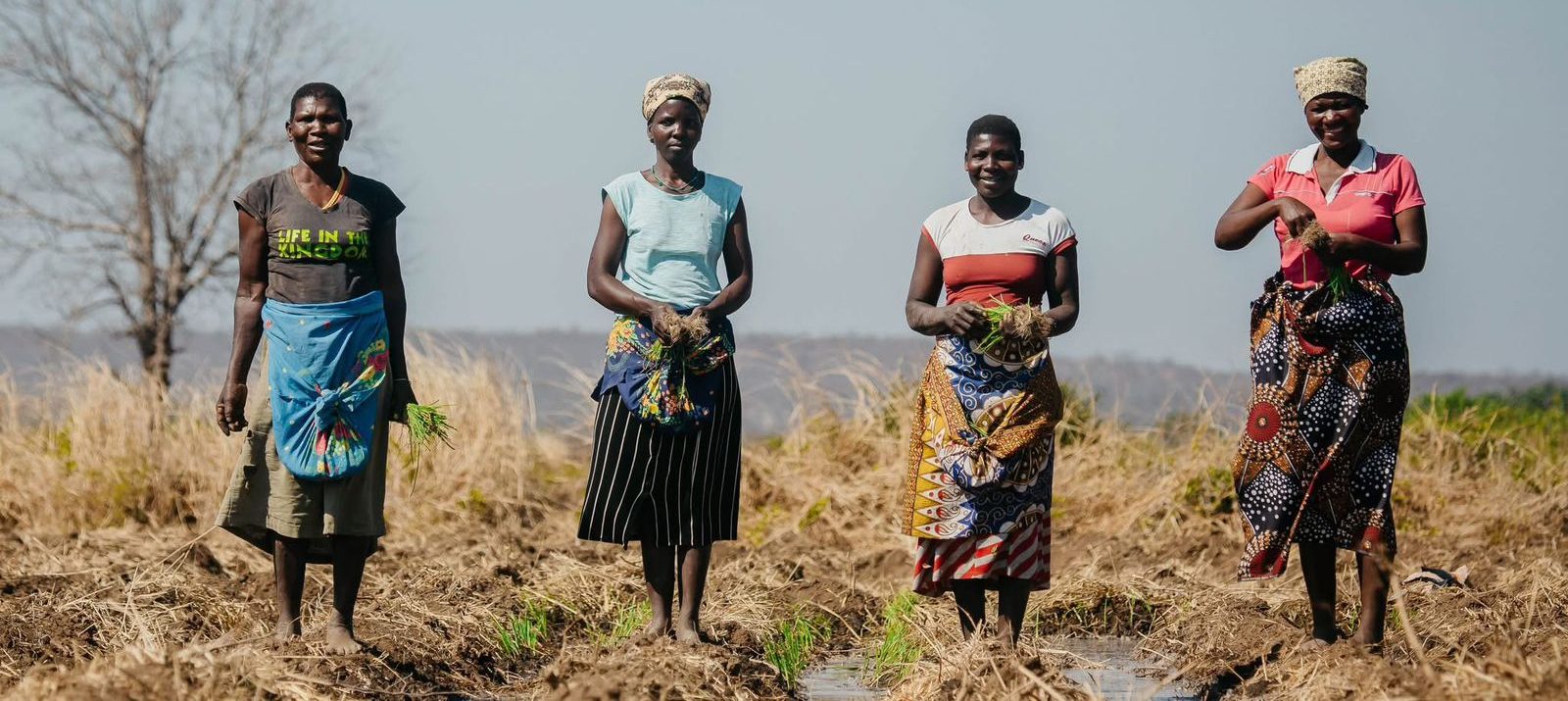
For many years, the risk of crop damage was simply too great. A single elephant could destroy months of work overnight, turning an entire season of effort into a devastating loss.
Today, communities across several of Mozambique’s most conflict-prone landscapes are returning to farmland that was once considered too risky to farm. The Mozambique Wildlife Alliance (MWA), with support from Jamma, is helping make that possible through a combination of community-led prevention measures, training, and protective infrastructure.
Making Farming Possible Again
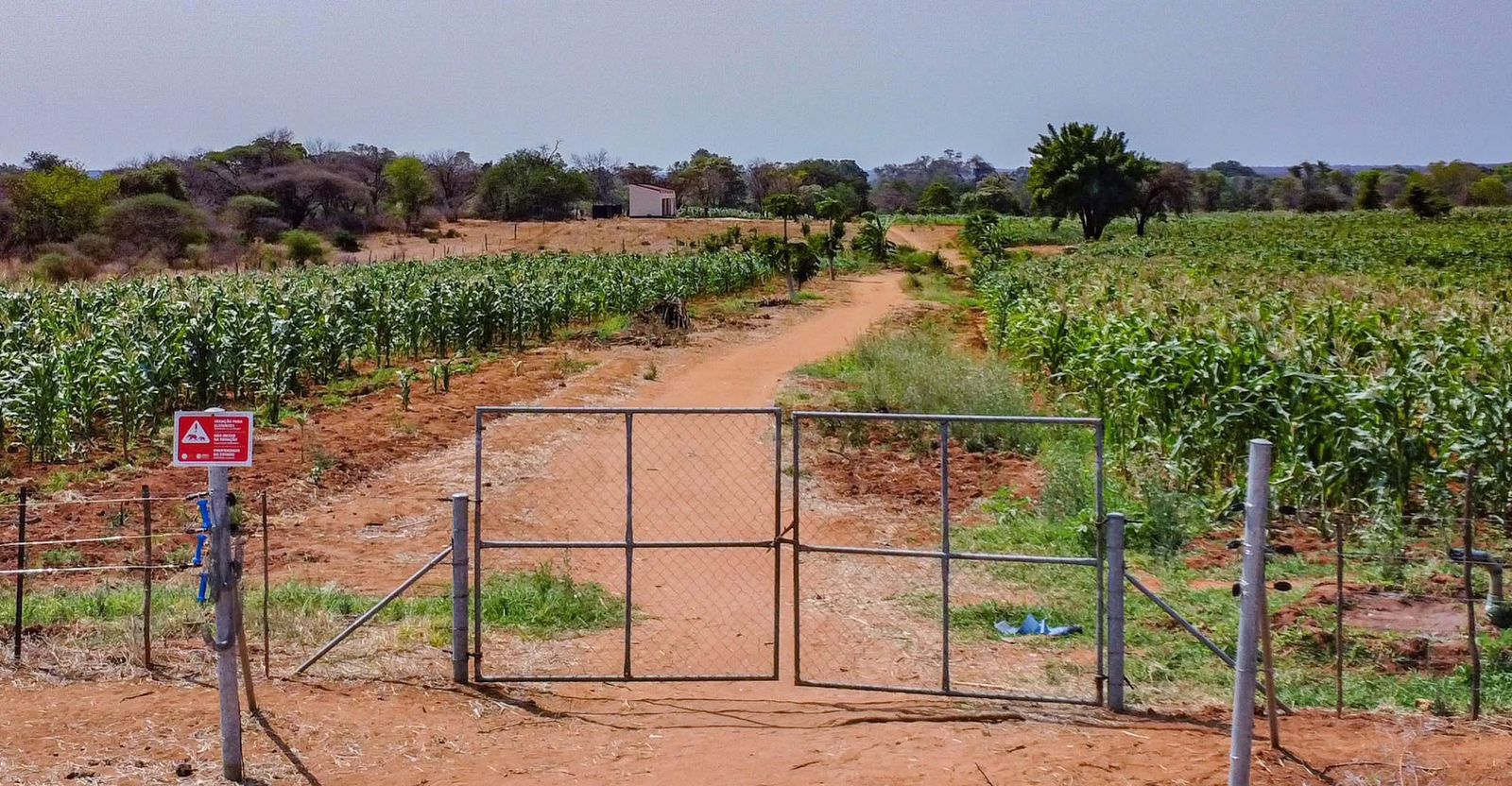
One of the clearest signs of progress can be seen in MWA’s growing network of Protected Farming Communities (PFCs), which are secured agricultural areas protected by electric fencing and supported through community-led management.
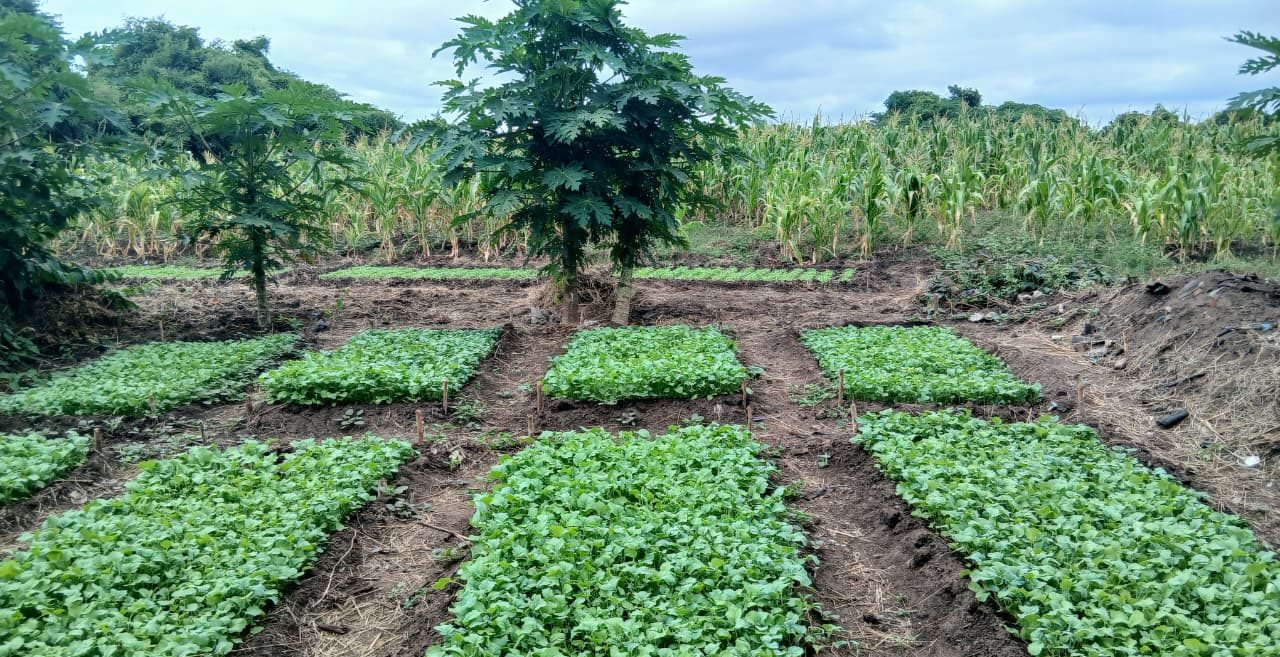
In February 2026, farmers in the existing PFC’s of Daque, Macacate 1, and Macacate 2 reported a significant reduction in elephant incursions. The impact has been so positive that communities have begun cultivating land that had previously been abandoned because the risk of crop damage was simply too high. For farmers, this means more than just protecting crops. It means greater confidence, improved food security, and the ability to invest in their futures. There are now 18 operational PFCs across nine landscapes, giving more farming communities access to the infrastructure and support needed to reduce conflict before it happens.
Equipped to Prevent and Respond
At the heart of MWA’s approach is a simple principle: the people living alongside wildlife are often best placed to prevent and manage conflict when given the right training and support.
Between February and May 2026, MWA trained 823 community members in human-wildlife conflict prevention and mitigation techniques across Mozambique, equipping communities with the knowledge and tools needed to respond safely and effectively to wildlife encounters. Training focused on early warning systems, safe farming practices, coordinated community response protocols, as well as practical techniques for deterring wildlife. In many cases, training was accompanied by the distribution of mitigation kits, providing communities with practical resources to apply these techniques on the ground.
The investment is already delivering tangible results. In March 2026, trained community members independently carried out seven wildlife conflict response interventions. In Cahora-Bassa, communities have continued successfully applying techniques learned through previous training programmes, demonstrating growing confidence and local ownership of conflict mitigation efforts.
No Longer Facing Conflict Alone
Training is only one part of the solution. MWA’s Rapid Response Units (RRUs) ensure communities are never left to face human–wildlife conflict alone. Operating across priority landscapes, these dedicated teams provide rapid, ongoing support whenever wildlife threatens farms or livelihoods, working alongside communities to safely deter animals, monitor conflict hotspots, and reinforce prevention measures.
With eight RRUs now active, MWA’s approach goes beyond building local capacity; it creates a lasting support system that combines community leadership with specialist expertise. This integrated model is already delivering promising outcomes.
In March 2026, RRU’s and community teams successfully managed 93% of reported human–wildlife conflict incidents. By April and May 2026, all registered response interventions achieved a 100% success rate. In this context, a successful response means the animal was safely managed, no people were injured, and crops or property were protected from damage.
Alongside these consistently high response rates, MWA has also reported a broader decline in overall conflict, with reported cases falling from 29 in March to 14 in April and just 11 in May 2026. While many factors influence conflict levels, these positive trends reflect the growing impact of MWA’s combined approach of prevention, rapid response, and community engagement.
Learning What Works
Long-term success depends not only on responding to conflict today, but on understanding which approaches deliver the greatest impact over time. To support this, MWA has established a dedicated Monitoring, Evaluation and Learning (MEL) function, providing oversight across its PFC’s network and wider human–wildlife conflict programme. By tracking performance, evaluating outcomes, and using evidence to guide future decisions, MWA is strengthening its ability to refine its approach, scale successful interventions, and build a more resilient future where people and wildlife can coexist.
Making Coexistence a Reality
Ultimately, long-term conservation succeeds when local stewardship is supported, not replaced. As these results show, when communities are given the tools, training, and infrastructure to manage their own environments safely, the dynamic shifts. Coexistence changes from a complex challenge into an achievable, daily reality, restoring independence to farmers and creating a sustainable blueprint for communities living alongside wildlife.


© 2026 Jamma Conservation and Communities. Registered charity no. 1138785 | Designed by Oxygen

Active
Eland School is a community-based education initiative in the Khomani San community of South Africa’s Kalahari, delivering culturally sensitive early education. The school integrates the national curriculum with Indigenous knowledge and traditions to strengthen cultural identity and prepare learners for successful transition into secondary education.
Northern Cape, South Africa
Active
In many African rural areas, access to digital tools and support remains limited, leaving people of all ages disconnected from opportunity. This project is creating a central hub where community members can access support, build CVs, search for jobs, and stay informed.
Rietfontein, South Africa

Active
Is a registered Indigenous-led organisation working to protect the rights of Indigenous Peoples in Africa.
South Africa, Cape Town

Completed
This study examines the welfare impacts on wildlife from both human-caused and naturally induced mortality.
Oxford – partners with ALU in Kigali, Rwanda. Research impacts and relates to Southern Africa
Completed
This project conducts rigorous research to examine the potential role of regulated hunting in conservation.
Oxford based but research will impact Africa

Active
This groundbreaking project is the first to comprehensively assess the combined economic, conservation, and cultural benefits of non-commercial wild animal harvests in North America and southern Africa.
Based in Canada – North America and Southern Africa
Active
This project aims to unlock the $30 billion potential of Southern Africa’s wildlife economy by strengthening Community-Based Natural Resource Management (CBNRM) practices.
Based in Florida but carried out in (Mozambique, Kenya, Botswana, Namibia, South Africa)
Completed
This initiative strengthens the IUCN Sustainable Use and Livelihoods Specialist Group (SULi) to expand its reach and influence, especially within the Global South.
Based in London with Global membership network spreading to Eastern and Southern Africa region
Completed
This project provides critical support to governments developing policies to manage human-wildlife conflict (HWC), an escalating issue as human populations expand into wildlife habitats.
Global network with a focus in Africa
Completed
This project introduces sustainable fish farming practices to the Mkushi and Luano districts, where food security and income stability are pressing challenges.
Based in Zambia
Completed
This project takes a multi-faceted approach to improving livelihoods, health, and education in Zambia’s Mkushi and Luano regions.
Based in Zambia
Active
Human-wildlife conflict (HWC), especially with elephants, is a growing challenge in Mozambique, endangering conservation and community livelihoods. As populations expand, conflicts intensify, leading to crop destruction, property loss, and diminishing tolerance for wildlife. This project supports a comprehensive HWC management system across 32 high-impact districts.
Based in Mozambique
Active
Indigenous Peoples and Local Communities (IPLCs) across Southern Africa often face barriers to having their voices heard in decisions about natural resources that directly impact their lives. The Community Leaders Network (CLN) plays an essential role in advocating for these communities on issues like natural resource management, biodiversity conservation, sustainable agriculture, and eco-tourism.
Namibia – Windhoek (but spreads out to South Africa, Botswana, Namibia, Zimbabwe, Zambia, Mozambique, Malawi, Angola, Tanzania, and Madagascar)
Completed
This project addresses leopard conservation in the Western Cape, South Africa, a region where human encroachment and habitat fragmentation threaten wildlife.
Based in Eastern and Western Cape – South Africa
Completed
This project investigates perceptions around controversial conservation issues in sub-Saharan Africa.
Based in Oxford but carried out in Kenya, Tanzania, and Zimbabwe
Completed
This project amplifies the voices of Southern African rural communities who rely on sustainable wildlife management for their livelihoods and cultural heritage.
Based in Zimbabwe (but network spreads across South Africa, Botswana, Namibia, Zimbabwe, Zambia, Mozambique, Malawi, Angola, Tanzania, and Madagascar)