What we choose to measure matters because it shapes the questions we ask, the trade-offs we see, and the decisions we make.
Conservation has long measured ecological outcomes such as species abundance, habitat condition, protected area coverage and population trends. These indicators are essential, but they do not capture every outcome that healthy ecosystems generate. When some of those outcomes remain unmeasured, they also risk remaining undervalued in conservation and policy decisions.
New research from Conservation Visions’ Wild Harvest Initiative, supported by Jamma Conservation & Communities, helps make one often-overlooked contribution visible: the role of wildlife in food systems.
How much food does regulated hunting actually provide?
Using harvest data from all 50 US states over five hunting seasons, the study quantified the amount of wild meat obtained through state-regulated big game hunting and estimated what it would cost to replace that meat with commercially produced alternatives.
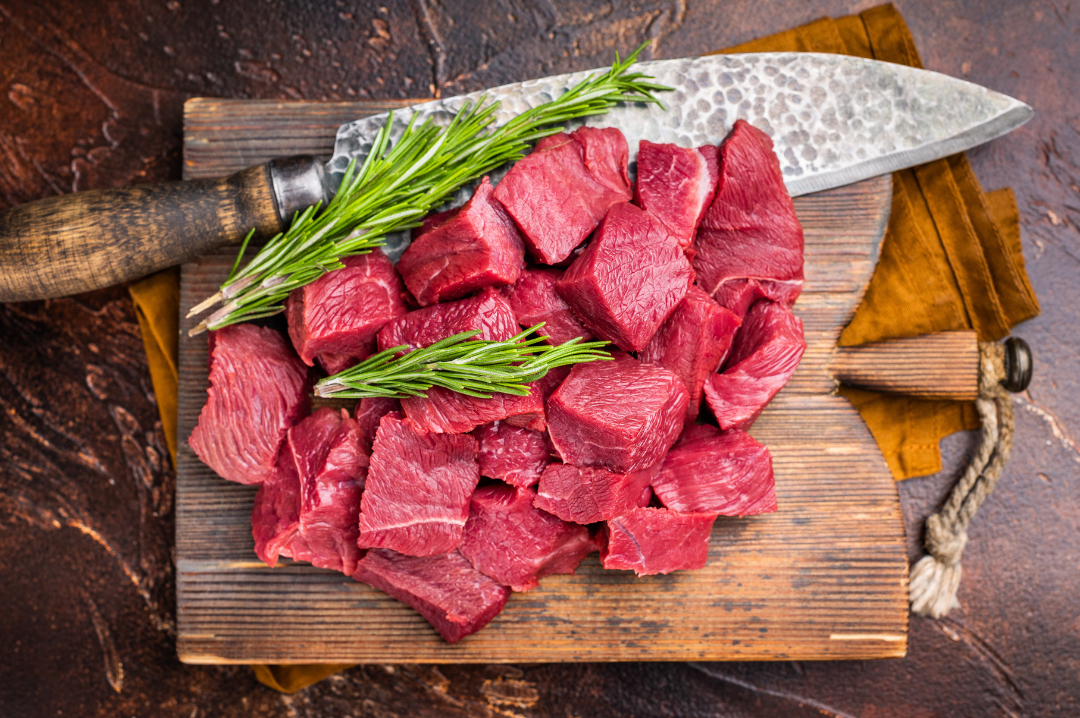
The findings were substantial. The study estimated that regulated big game hunting produces approximately 236,000 tonnes of wild meat every year, enough for around 1.39 billion meals. Replacing that wild meat with an equivalent quantity of domestically produced meat would cost an estimated US$3.2 billion annually. Beyond the financial cost, the researchers note that replacing wild meat would likely increase reliance on conventional livestock production, with its associated environmental impacts, including greater land use, greenhouse gas emissions and biodiversity pressures.
The surprise is not that wildlife provides food. Most people already know that. The surprise is how much.
By revealing the scale of wild meat production, the study shows that state-regulated hunting is not simply a recreational activity. It is also a major food procurement system, providing billions of meals each year. Yet despite its scale, this contribution has remained largely absent from the way food systems are typically measured and understood.
By putting numbers to that contribution, the research turns something that has long been understood into something that can now be measured, compared and considered in conservation and policy decisions. Once a contribution can be quantified, it becomes part of the evidence base alongside ecological, social and economic outcomes.
Better Evidence Leads to Better Decisions
Every day, conservation decisions involve trade-offs. Should land be managed for agriculture, tourism, forestry, wildlife or some combination of these? Should a particular policy be encouraged, restricted or changed?
The quality of those decisions depends on the quality of the evidence available.
For years, we have been able to measure many ecological outcomes of conservation. Research like this adds another piece to the puzzle by quantifying one of the benefits that healthy wildlife populations provide to society.
This is one of the ideas at the heart of Human-Centred Conservation. It recognises that conservation is not only about understanding how people affect nature, but also about understanding how nature contributes to people’s lives. The more completely we can measure those contributions, the better equipped we are to make informed decisions that consider both people and wildlife.


© 2026 Jamma Conservation and Communities. Registered charity no. 1138785 | Designed by Oxygen

Active
Eland School is a community-based education initiative in the Khomani San community of South Africa’s Kalahari, delivering culturally sensitive early education. The school integrates the national curriculum with Indigenous knowledge and traditions to strengthen cultural identity and prepare learners for successful transition into secondary education.
Northern Cape, South Africa
Active
In many African rural areas, access to digital tools and support remains limited, leaving people of all ages disconnected from opportunity. This project is creating a central hub where community members can access support, build CVs, search for jobs, and stay informed.
Rietfontein, South Africa

Active
Is a registered Indigenous-led organisation working to protect the rights of Indigenous Peoples in Africa.
South Africa, Cape Town

Completed
This study examines the welfare impacts on wildlife from both human-caused and naturally induced mortality.
Oxford – partners with ALU in Kigali, Rwanda. Research impacts and relates to Southern Africa
Completed
This project conducts rigorous research to examine the potential role of regulated hunting in conservation.
Oxford based but research will impact Africa

Active
This groundbreaking project is the first to comprehensively assess the combined economic, conservation, and cultural benefits of non-commercial wild animal harvests in North America and southern Africa.
Based in Canada – North America and Southern Africa
Active
This project aims to unlock the $30 billion potential of Southern Africa’s wildlife economy by strengthening Community-Based Natural Resource Management (CBNRM) practices.
Based in Florida but carried out in (Mozambique, Kenya, Botswana, Namibia, South Africa)
Completed
This initiative strengthens the IUCN Sustainable Use and Livelihoods Specialist Group (SULi) to expand its reach and influence, especially within the Global South.
Based in London with Global membership network spreading to Eastern and Southern Africa region
Completed
This project provides critical support to governments developing policies to manage human-wildlife conflict (HWC), an escalating issue as human populations expand into wildlife habitats.
Global network with a focus in Africa
Completed
This project introduces sustainable fish farming practices to the Mkushi and Luano districts, where food security and income stability are pressing challenges.
Based in Zambia
Completed
This project takes a multi-faceted approach to improving livelihoods, health, and education in Zambia’s Mkushi and Luano regions.
Based in Zambia
Active
Human-wildlife conflict (HWC), especially with elephants, is a growing challenge in Mozambique, endangering conservation and community livelihoods. As populations expand, conflicts intensify, leading to crop destruction, property loss, and diminishing tolerance for wildlife. This project supports a comprehensive HWC management system across 32 high-impact districts.
Based in Mozambique
Active
Indigenous Peoples and Local Communities (IPLCs) across Southern Africa often face barriers to having their voices heard in decisions about natural resources that directly impact their lives. The Community Leaders Network (CLN) plays an essential role in advocating for these communities on issues like natural resource management, biodiversity conservation, sustainable agriculture, and eco-tourism.
Namibia – Windhoek (but spreads out to South Africa, Botswana, Namibia, Zimbabwe, Zambia, Mozambique, Malawi, Angola, Tanzania, and Madagascar)
Completed
This project addresses leopard conservation in the Western Cape, South Africa, a region where human encroachment and habitat fragmentation threaten wildlife.
Based in Eastern and Western Cape – South Africa
Completed
This project investigates perceptions around controversial conservation issues in sub-Saharan Africa.
Based in Oxford but carried out in Kenya, Tanzania, and Zimbabwe
Completed
This project amplifies the voices of Southern African rural communities who rely on sustainable wildlife management for their livelihoods and cultural heritage.
Based in Zimbabwe (but network spreads across South Africa, Botswana, Namibia, Zimbabwe, Zambia, Mozambique, Malawi, Angola, Tanzania, and Madagascar)