
Supporting high-quality journalism and storytelling that explores conservation through human realities in Africa. A commissioning grant for experienced journalists, filmmakers, photographers, and audio storytellers.
Meet the March 2026 Human-Centred Storytelling Grantees
About The Grant
The Human-Centred Conservation Storytelling Grant supports high-quality, publishable stories that explore conservation as it is lived and experienced by people. Too often, public narratives about conservation are simplified, sentimental, or detached from social, political, and economic realities. This grant responds to the need for deeper, more nuanced storytelling that reflects the complexity of conservation in African contexts and brings human perspectives to the forefront. The grant commissions experienced storytellers who already work to professional editorial standards and who have the access, skills, and ambition to produce work suitable for publication or broadcast through established media platforms.
What Is Human-Centred Conservation?
Human-Centred Conservation recognises that conservation outcomes are shaped not only by ecological considerations, but by people, their rights, livelihoods, governance systems, knowledge, and choices. It acknowledges that long-term conservation success depends on how conservation intersects with lived realities, including land use, resource access, economies, health, culture, and coexistence with wildlife. Stories supported through this grant reflect these realities, whether by showing where human-centred approaches contribute to better outcomes, or where their absence undermines conservation efforts.
What Kind of Stories Are We Looking For?
We are seeking strong, original stories that explore conservation through a human-centred lens. This means stories that recognise that conservation outcomes are shaped not only by ecology, but by people, their rights, livelihoods, governance systems, knowledge, choices, and the realities of living with wildlife and natural resources.
Stories may focus on:
- Where Human-Centred Conservation works, and what enables it
- Where it falls short, and how the absence of these principles limits conservation outcomes
- The tensions, trade-offs, and lived experiences that sit between success and failure
We are equally interested in stories of hope, innovation, and resilience, as well as stories that surface challenges, contradictions, or unintended consequences. We are not prescriptive about format or angle. Stories may engage with themes such as governance, resource use, livelihoods, coexistence with wildlife, food systems, energy, health, climate adaptation, or land-use decisions – but these are not requirements. What matters is that the story places people and context at the centre, and avoids simplified or purely sentimental narratives.
What we are looking for is evidence of careful thinking and reporting: curiosity, depth, respect for complexity, and attention to how conservation is lived and experienced.
What We Are Not Looking For
This grant is not intended to support:
- Promotional or advocacy content
- Generic wildlife stories without a strong human dimension
- Simplified narratives that frame conservation as either purely successful or purely failing
- Stories that remove social, political, or economic context
- Content produced primarily for organisational communications or marketing purposes
We are also unlikely to support proposals that require extensive editorial development, capacity-building, or technical support to reach publishable quality.
Funding Tiers
Applicants may apply for one of the following funding tiers:
Tier 1: Up to USD 5,000
Suitable for written, audio, or single-format stories
Tier 2: Up to USD 8,000
Suitable for multi-part stories or more complex reporting
Tier 3: Up to USD 12,000
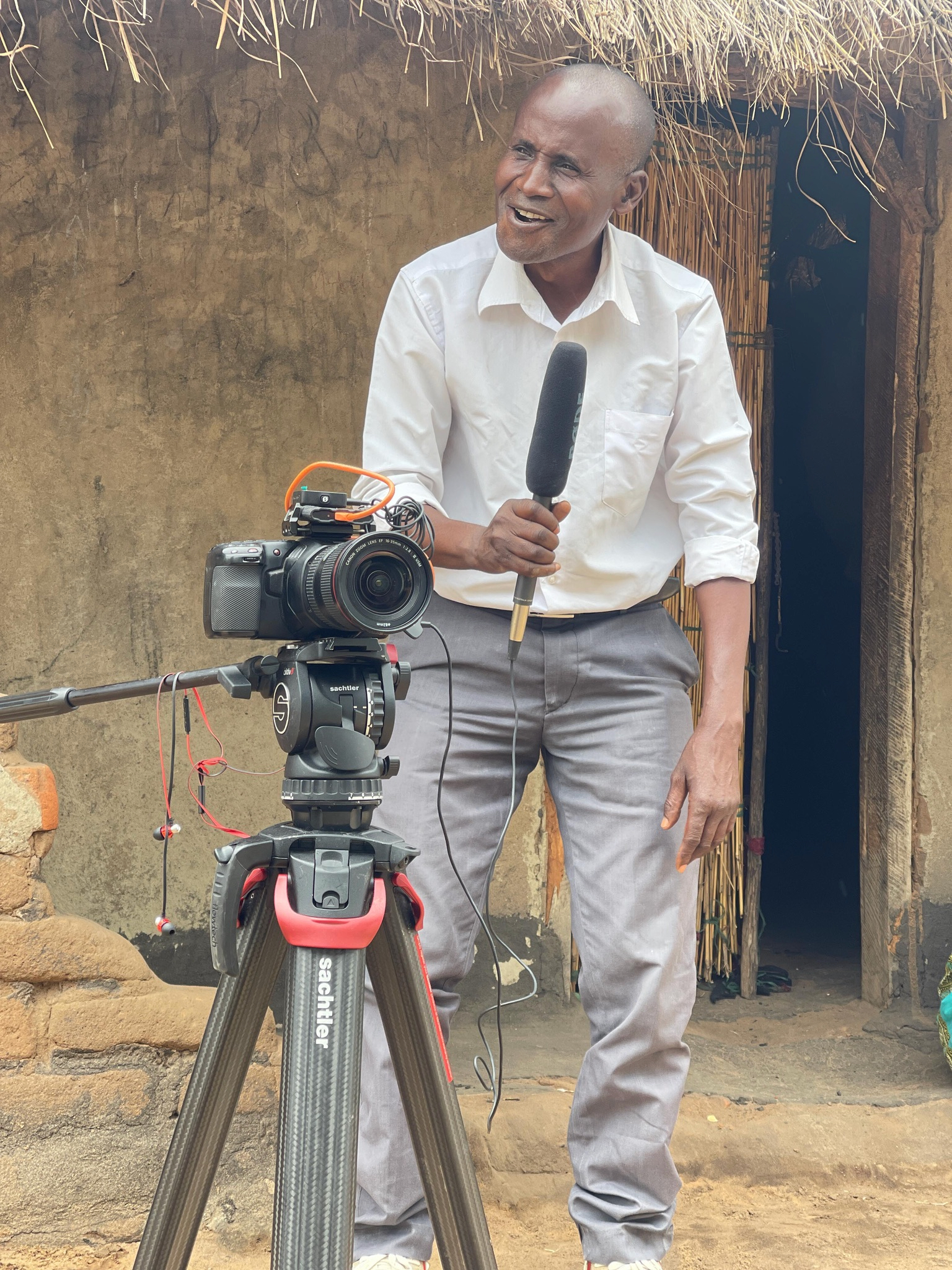
Suitable for visual or film-based projects
Budgets do not need to reach the maximum tier amount. All budgets will be assessed for realism and proportionality.
Publication, Broadcast or Distribution Requirement
Due to the high level of interest in the grant, we can only consider applications that already have a credible and established pathway to publication, broadcast or distribution.
To be eligible, applicants must meet at least one of the following:
- Have a confirmed commitment from an established media outlet, broadcaster or distribution platform to publish, broadcast or distribute the proposed story.
- Be applying on behalf of, or have publishing or commissioning authority within, the media outlet, broadcaster or platform that will publish, broadcast or distribute the story.
- Intend to publish, broadcast or distribute the story through their own established independent channel or platform with an existing audience.
Applicants will be asked to provide evidence of the relevant publication or distribution pathway as part of their application.
Application Process
Applications are submitted online via our application platform and include:
- A short story pitch
- Examples of previous work
- Information and supporting evidence of the proposed publication, broadcast or distribution pathway
- A summary budget aligned with the selected funding tier
This is a competitive process. Only applications that meet the eligibility criteria will be considered for review.
Applied in the previous round?
Previous applicants are welcome to apply again and will be considered for funding. As we have made some changes to the application form and the information we ask applicants to provide, you will need to complete and submit a new application for this round.
This is a competitive process. Only applications that meet the eligibility criteria will be considered for review.
Selection Process
Applications will be reviewed by a selection panel based on:
- Quality and clarity of the story pitch
- Alignment with the principles of Human-Centred Conservation
- Evidence of professional experience and editorial readiness
- Feasibility and realism of the proposed budget
Not all eligible applications will be funded.
Key Dates
- Application opening date – 1 September 2026
- Deadline – 29 September 2026, 23:59 GMT
Questions?
For questions about eligibility or the application process, please contact: info@jamma.co
Before contacting us, please check this page and the Terms & Conditions, which cover the most common questions about the grant. Due to the high volume of enquiries, we may not be able to respond to questions already addressed in these resources.
We are unable to provide individual feedback on applications.
Before applying please read the Full Terms & Conditions





